

What You Need to Know Before You Change Your Door Lock
By Iulian H., Lead Locksmith · Updated
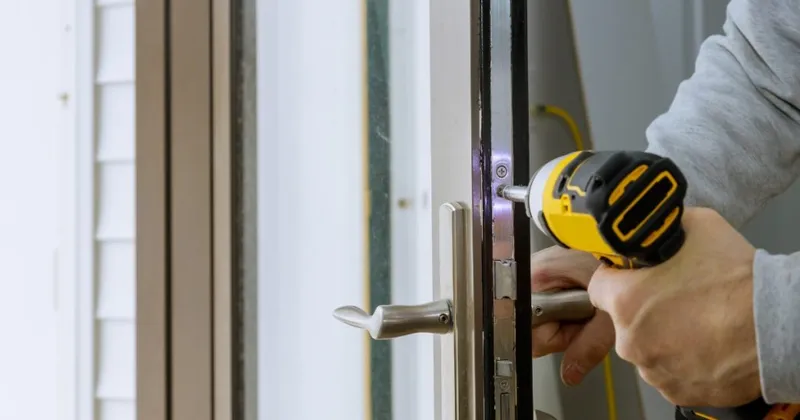
Rekey when the lock is sound and you only need old keys to stop working; replace when the lock is worn, damaged, or below the standard your insurer names. The trigger points are moving into a new home, losing keys, a break-in, and a change of tenancy. What matters more than the brand is the marking on the lock: BS 3621 on a timber door, or a TS007 3-star or Sold Secure SS312 Diamond cylinder on a uPVC or composite door. City Locksmith London re-keys from £55 labour and changes locks from £69 labour (ex VAT), with no call-out fee; the full lock change service and locksmith price list set out what each job costs.
Does Changing the Lock Actually Reduce the Risk?
Yes, and it is one of the few home security measures with published evidence behind it.
- Tseloni and colleagues, writing in Security Journal in 2017 and using Crime Survey for England and Wales data from 2008 to 2012, found that external lights and door double locks or deadlocks were the most effective individual security devices, and that combinations including door and window locks plus external lights or security chains gave at least 20 times more protection against burglary with entry than having no security at all.
- The same study found burglar alarms, on their own, conferred less protection than no security - a useful corrective if you were about to spend on an alarm instead of the door.
- ONS analysis of Crime Survey data on the nature of burglary found that where an offender got inside a dwelling, they came through a door around 70% of the time and a window around 30%. The door is where the money goes furthest.
That is the case for spending on the lock rather than the gadget. The rest of this guide is about spending it correctly.
Why People Change Their Door Locks
Security Reasons
The most common motivation is security. You should consider changing your lock when:
- Keys have been lost or stolen
- You have moved into a new home and do not know who holds copies of the existing keys
- A tenant or flatmate has vacated - even if they returned the keys, copies may exist
- There has been a break-in or attempted break-in - even if the lock itself was not forced
- The existing lock is old, worn, or does not meet current British Standards
Aesthetic and Functional Reasons
A new lock can refresh the look of a front door, particularly if you are updating door furniture. Locks come in a range of finishes, from brushed chrome to antique brass.
Locks also wear out over time. If your key sticks, the lock feels stiff, or the bolt does not engage cleanly, replacing the mechanism restores smooth, reliable operation. For specific guidance on Yale locks, our article on changing a Yale lock explains when and how to replace them.
Rekey vs Replace: Which Do You Need?
This is the most important decision. Understanding the difference saves you money and avoids unnecessary work.
What Is Rekeying?
Rekeying changes the internal pin configuration of your existing cylinder so that old keys no longer work and a new key is issued. The lock body, door hardware, and fitting all stay in place. It is faster, cheaper, and causes zero damage to your door.
Choose rekeying when:
- The lock is in good working order but you want to cancel old keys
- You are moving into a new home and the existing locks meet BS 3621
- A tenancy has ended and you want to prevent key re-use
- You want multiple locks on the property to operate from one key
City Locksmith London offers a lock re-key service from £55 labour (ex VAT). Rekeying cannot upgrade a lock’s rating, so if the existing lock is below the standard your insurer names, replacement is the only route.
What Is Full Lock Replacement?
Replacement removes the entire lock mechanism and fits a new one. This is the right choice when the lock itself is the problem.
Choose full replacement when:
- The lock is visibly worn, stiff, or damaged
- The lock does not carry anti-snap, anti-pick, or anti-drill protection
- The lock fails British Standard BS 3621 or your insurer’s requirements
- There has been a break-in and the mechanism may be compromised
- You are upgrading to a multi-point system or smart lock
Our lock change service starts from £69 in labour (ex VAT), plus the cost of the new lock hardware. For how long each type of job takes on the day, see how long a locksmith takes to change a lock.
When Should You Change Your Locks?
Moving Into a New Home
This is the single most important time to change or rekey your locks. Previous owners may have given keys to estate agents, relatives, cleaners, builders, and neighbours - none of whom you know. A fast rekey or replacement on moving day guarantees that only you control access.
Tip: If the existing locks are BS 3621-rated and in good condition, rekeying is all you need. If they are older or lack the kite mark, replace them with compliant cylinders at the same time.
After a Break-In
Replace your locks immediately after a break-in, even if the intruder entered another way. Lock integrity may have been tested or damaged during the attempt. Upgrading to an anti-snap, anti-pick cylinder also hardens the property against a repeat visit. See our break-in repair service for same-day response across London.
Lost or Stolen Keys
A lost key is a lost lock. You cannot know where the key is or who has found it. Rekeying is usually sufficient here - there is no need to buy new hardware if the lock itself is sound.
After a Tenancy Ends
As a landlord, you should rekey between every tenancy. Tenants may have had keys cut without your knowledge. A rekey between occupants is a small cost with significant peace of mind.
Ageing or Substandard Locks
Consider replacement if locks are more than 10 to 15 years old, show signs of corrosion or stiffness, or do not carry a BS 3621 or TS007 three-star marking. Insurers may refuse claims if the lock at the point of entry was non-compliant.
Can a Tenant Change the Locks?
In England and Wales, most tenancy agreements require written landlord permission before a tenant makes any alteration - including changing a lock. Acting without permission can constitute a breach of contract.
However, there are situations where a tenant has a legitimate reason to act quickly:
- Lost or stolen keys - where the landlord cannot arrange a prompt replacement
- After a break-in - immediate security is required
- Genuine safety concerns - such as domestic abuse situations where the risk outweighs the procedural requirement
If you do change a lock as a tenant, best practice is to:
- Notify your landlord in writing as soon as practicable
- Provide the landlord with a copy of the new key
- Keep the original lock so it can be reinstated when you leave
A landlord cannot change the locks to exclude a tenant - doing so without a court order constitutes illegal eviction, which is a criminal offence in the UK.
Key Factors to Consider Before Changing Your Lock
Door Material and Compatibility
Your replacement lock must match your door. uPVC doors take a euro cylinder (measure the existing one before ordering - total length and the split between inside and outside). Timber doors may use a British Standard five-lever mortice. Composite and aluminium doors vary by manufacturer. Door thickness matters too - some locks need adaptor hardware for non-standard profiles.
Security Rating
The marking on the lock is what an insurer looks at after a claim, so buy to the standard rather than to the brand.
| Standard | What it covers | Current edition |
|---|---|---|
| BS 3621 | Thief-resistant single-point lock needing a key to lock from both sides. The timber-door baseline most insurers name. | BS 3621:2017+A1:2024 (BSI) |
| BS 8621 | The same test with keyless egress inside, for flats and any door on an escape route. | BS 8621:2017+A1:2024 (BSI) |
| TS007 | Star rating for replacement euro cylinders and the handle or escutcheon around them. Three stars is the target: one 3-star cylinder, or a 1-star cylinder plus a 2-star handle. | TS007-1:2024 (Door & Hardware Federation and Glass and Glazing Federation) |
| Sold Secure SS312 | Cylinder attacked on its own with no protective handle. Diamond is the top grade and is treated as equivalent to 3-star. | Diamond 2024 (Sold Secure) |
| PAS 24 | Attack test for a complete doorset or window, not a lock on its own. Sits behind Approved Document Q for new homes in England. | PAS 24:2022+A1:2024 (BSI) |
A rated cylinder is the priority on any uPVC or composite door: TS007 was written by the Door & Hardware Federation and the Glass and Glazing Federation with Secured by Design, the police crime prevention initiative, specifically because standard euro cylinders could be snapped. See our guide on high-security locks for a full breakdown of ratings.
DIY or Professional?
Swapping a euro cylinder on a uPVC door is within reach of a careful DIYer if the old cylinder is accessible and undamaged. However, fitting a mortice lock, adjusting a multi-point mechanism, or installing a smart lock correctly requires precise alignment. Errors cause misalignment, premature wear, or - worse - a door that can be defeated with finger pressure. Our residential locksmith service covers all door and lock types across London.
Budget
Three things drive the bill, in this order:
- Labour or parts? Rekeying is labour only. A replacement is labour plus hardware, and the hardware is where a rated cylinder costs more than an unrated one. That premium is the point of the exercise.
- How many locks? Travel and setup are shared, so doing every external door in one visit costs far less than three separate call-outs.
- When? Out-of-hours and emergency work is charged at a higher rate almost everywhere.
Ask for a fixed, all-in figure covering parts, labour and VAT before anyone starts, and ask which standard the proposed lock carries. Our own rates are published on the locksmith price list and on the lock change page; there is no call-out fee and quotes are free.
Insurance Requirements
Most UK home insurers require BS 3621 five-lever mortice locks on timber doors and a TS007 three-star cylinder on uPVC doors. Check your policy schedule before buying a replacement - fitting a non-compliant lock and then being burgled may invalidate your claim.
Anti-Snap, Anti-Pick, Anti-Drill: What You Need
Anti-Snap Protection
Snapping defeats an unrated euro cylinder in seconds using nothing more specialised than mole grips: the handle comes off, the exposed cylinder is snapped, and the multipoint mechanism behind it becomes irrelevant. The attack was widespread enough that Secured by Design worked with the Door & Hardware Federation and the Glass and Glazing Federation to write TS007 in response. An anti-snap cylinder has a designed break line outside the security zone, so the outer section shears off while the inner mechanism stays intact and the door stays locked. Treat it as essential on any uPVC or composite door, and see how burglars break into houses in London for the wider picture.
Anti-Pick and Anti-Drill
Quality cylinders include hardened steel anti-drill pins and specially toleranced tumblers that defeat picking. Both features are standard on most BS 3621 and TS007-rated cylinders. Look for them alongside anti-snap on any front or back door.
Key Control
Patented key systems restrict duplication to authorised dealers. This is valuable for landlords, HMO operators, and businesses where key management matters. Ask your locksmith about restricted key systems when having a full replacement done.
Smart Locks
Smart locks replace a cylinder or deadbolt with a device operated by code, phone app, fingerprint, or fob. They suit households that manage frequent visitor access or want remote locking capability. For a full review of tested models, see our guide to smart locks for UK homes. Professional fitting ensures correct alignment and, on battery-powered models, that a physical override key is accessible.
Choosing the Right Lock for Your Door
uPVC and Composite Doors
These use a multi-point locking mechanism operated by a euro cylinder. The cylinder is the replaceable security component. Measure yours before buying a replacement - total length and the split (e.g. 35/45). Fit an anti-snap, BS-rated cylinder. For a step-by-step guide to replacing the cylinder yourself, see how to replace a barrel lock in a uPVC door.
Timber Doors
Traditional timber front doors typically use a BS 3621 five-lever mortice sashlock or deadlock as the main security lock, combined with a night latch (Yale-style) for convenience. The mortice lock is the insurance-required component. For advice on the full range, see best front door locks for UK homes.
Aluminium Doors
Aluminium-framed doors vary significantly between manufacturers. Some use euro cylinders; others use proprietary mechanisms. Match the lock to the door specification or call a locksmith to assess before ordering parts.
Get Professional Help Across London
City Locksmith London is fully insured with DBS-checked engineers, available 24/7, and aims to respond across Greater London within 25 minutes. There are no call-out fees and all quotes are free.
Iulian H., lead locksmith at City Locksmith London, says: “We tell you what standard the lock we are fitting carries and agree the price before we start, because the marking on the lock is what your insurer will look at, not the receipt.”
- Lock change service - rekey or replace, all door types
- Full lock installation - new locks on doors that never had one
- Residential locksmith London - all door and lock types
- Locksmith price list - our published from-prices, ex VAT
- Need advice? Contact a locksmith - no obligation