
What to Do If Someone Has a Copy of Your Key
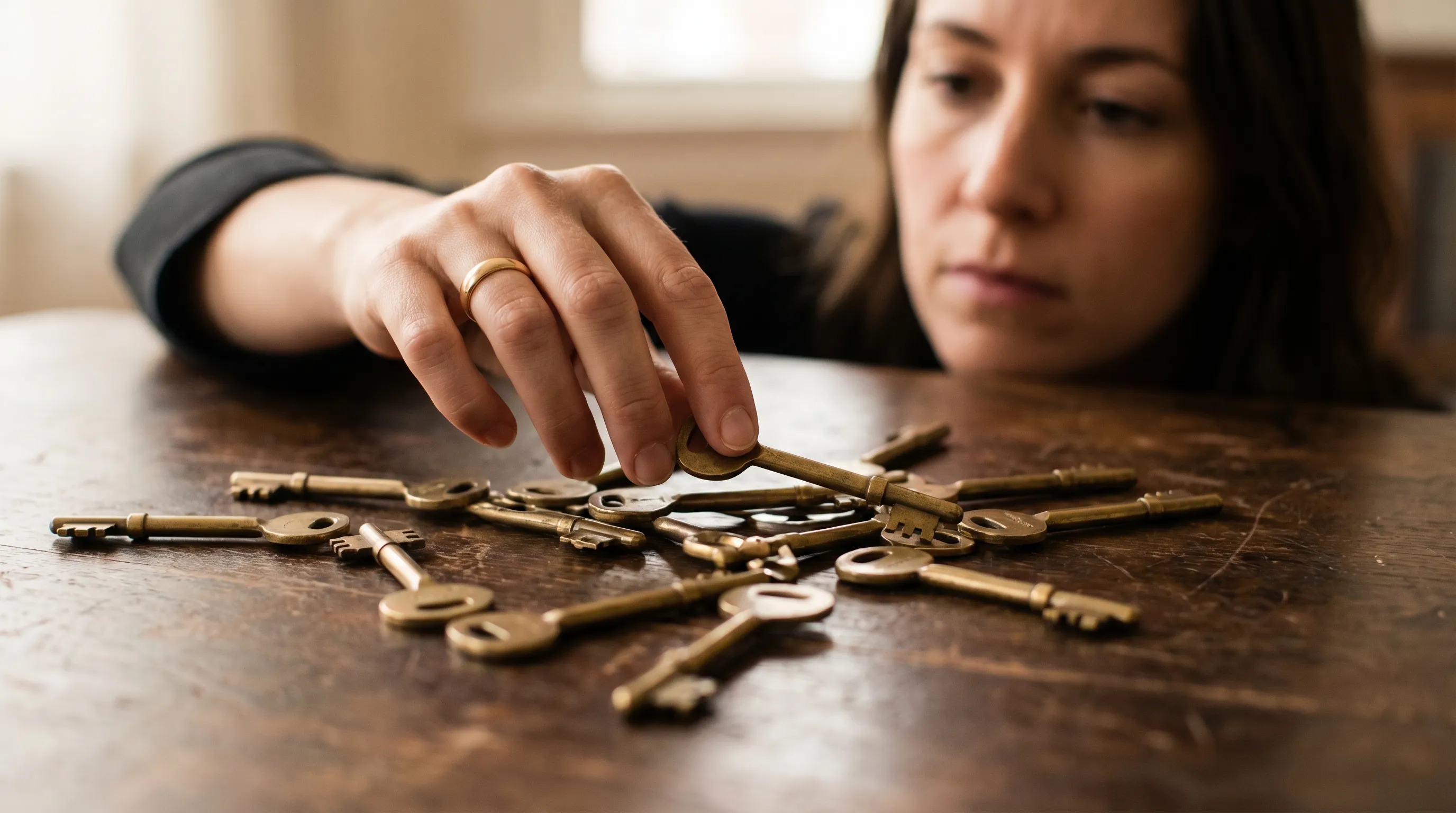
A Problem More Common Than You Think
It starts with a nagging thought: someone else has a key to your home, and you are not comfortable with that any more. Maybe you ended a relationship and your ex still has a set. Maybe you gave a spare to a cleaner, dog walker, or neighbour and never asked for it back. Maybe you lost your keys and have no idea who found them.
Whatever the reason, the concern is the same: someone who should not have access to your home still can. And unlike a stolen credit card, you cannot cancel a physical key with a phone call.
When Should You Actually Worry?
Not every situation requires an immediate lock change. The level of urgency depends on the circumstances:
Change the locks now
- After a relationship breakdown where the other person has a key and there is any reason to feel unsafe. Your security comes first - you can sort out the practicalities later.
- After keys are stolen - if your keys were taken (from a bag, car, or during a burglary), someone has both the key and potentially your address (from ID or documents in the same bag). Change the locks the same day if possible. Our emergency locksmith service is available 24/7.
- After a break-in with no sign of forced entry - this strongly suggests someone used a key. Change every lock immediately and report it to the police.
Change the locks soon
- After firing or parting ways with someone who had a key - a cleaner, nanny, contractor, or property manager. Even if the parting was amicable, it is good practice to change the lock once access is no longer needed.
- When you cannot account for all copies - if you gave out spare keys over the years and have lost track of who has one, the only way to be certain is to start fresh.
- After moving into a new property - this deserves its own article, and we have one: should you change locks when moving house?
Probably not urgent (but still worth doing)
- A neighbour you trust has a spare but you would rather they did not - ask for it back first. If that feels awkward, change the lock and simply do not offer a new key.
- A family member has a spare and you want to maintain the arrangement - no action needed unless the relationship has changed.
Your Options
1. Change the Lock
The most straightforward solution. A new lock means every old key stops working, regardless of how many copies exist. This is the recommended approach in most situations.
For a euro cylinder (uPVC or composite door), this is a quick job - typically 15-20 minutes per lock. For a mortice deadlock (timber door), slightly longer but still a single-visit job.
Cost: from £69 for labour. See our locksmith price list for details.
2. Rekey the Lock
Rekeying changes the internal pins of the lock so that the existing keys no longer work, while keeping the same lock body. New keys are cut to match the new pin configuration.
This is cheaper than full replacement but only makes sense if the existing lock is in good condition and meets current security standards. If the lock is older or does not have anti-snap protection, replacing it entirely is a better use of the money. For a comparison, see our guide on rekeying vs replacing locks.
3. Ask for the Key Back
This is the obvious first step, but it has a critical limitation: you have no way of knowing whether the person made a copy before returning the key. Key cutting is cheap and available on almost every high street. Asking for the key back gives you peace of mind only if you fully trust that no copies were made.
For this reason, security professionals generally recommend changing the lock rather than relying on key return.
What About Restricted Keys?
Some high-security cylinders (such as Ultion, Mul-T-Lock, and Abloy) use patented key profiles that cannot be copied at a standard key-cutting shop. The key can only be duplicated by an authorised locksmith, and only with the original security card that came with the lock.
If your lock uses restricted keys and you still have the security card, no one can have made an unauthorised copy. In this case, asking for the key back is sufficient - you know the returned key is the only copy.
If you do not currently have restricted keys and this level of control appeals to you, upgrading to a restricted-profile cylinder is an option worth considering.
Insurance Implications
If someone enters your home using a key - because they had a copy - there will be no sign of forced entry. This matters because many insurance policies require evidence of forced entry for a theft claim to succeed. An insurer who sees no damage to the door, frame, or lock may question the claim.
Changing the locks eliminates this risk. It also ensures your locks meet current insurance standards. For more on this, see our guide to BS3621 and insurance requirements.
A Practical Checklist
If you are in this situation right now:
- Assess the urgency using the guide above - is this a safety concern or a precaution?
- Identify which locks to change - every door the key opens, not just the front door
- Decide on lock type - if upgrading, choose anti-snap cylinders or BS3621 mortice locks
- Limit future key distribution - consider a key safe rather than giving out spare keys, and keep a record of who has access
- Consider restricted keys - if you want permanent control over who can copy your key
City Locksmith London
We change locks for exactly this reason every day - relationship changes, lost keys, and former keyholders. Our lock change service covers all lock types and we carry stock in the van for same-visit completion. Contact us to arrange a lock change.