
Should You Change Locks When Moving Into a New House?
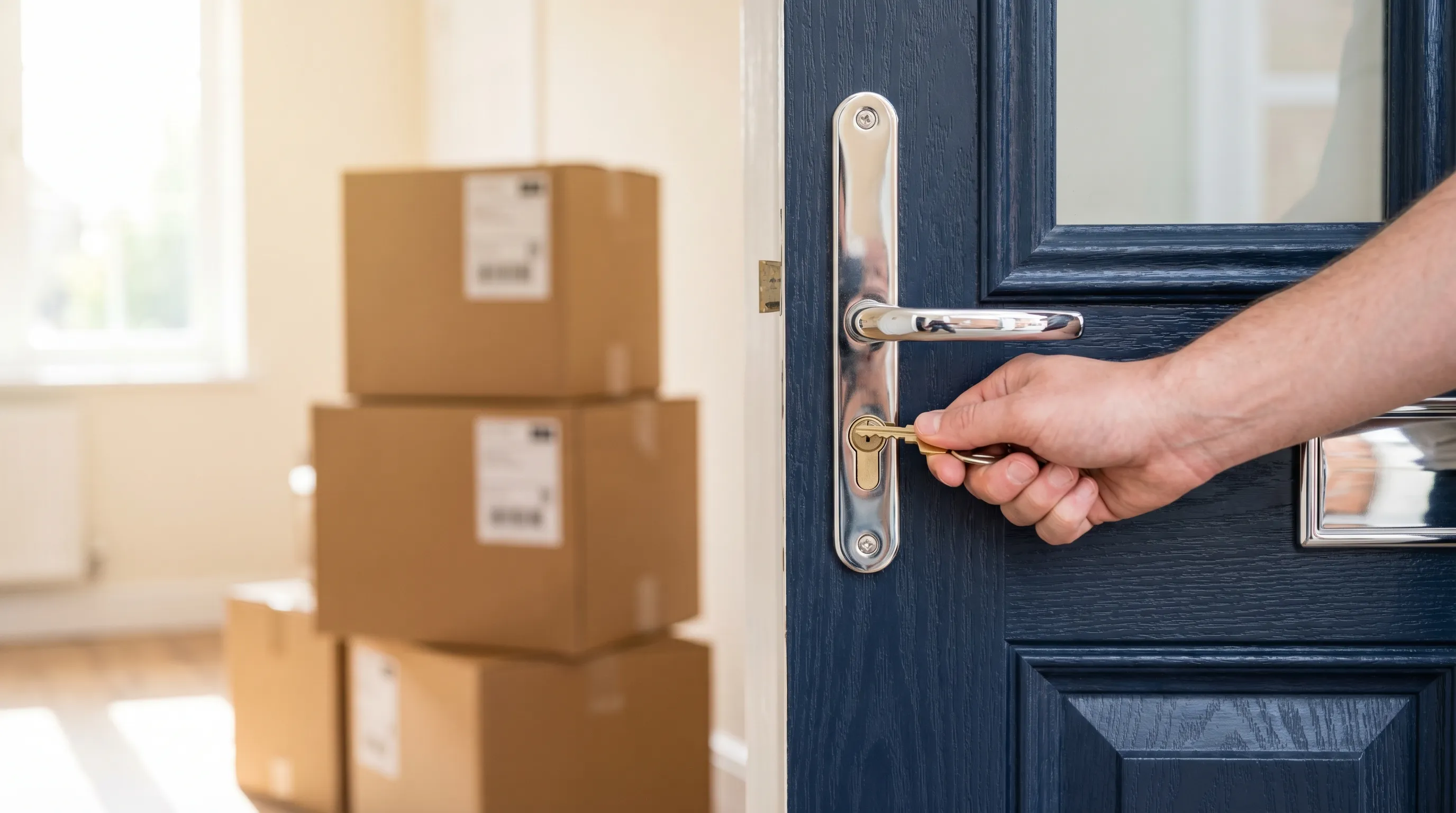
The Short Answer: Yes
Changing the locks when you move into a new property is one of the simplest and most effective security measures you can take. It is not a legal requirement, but it is strongly recommended by police, insurers, and locksmiths alike.
The reason is straightforward: you have no reliable way of knowing how many copies of the existing keys are in circulation. The previous owners may have given spare keys to neighbours, cleaners, dog walkers, babysitters, gardeners, or relatives. Estate agents hold keys during the sales process. Builders and tradesmen may have had access during renovations. Any of those keys still open your front door.
How Common Is the Problem?
Security surveys consistently find that a significant proportion of homeowners still have a key to a property they no longer live in. That means for every three homes sold in the UK, one of the previous occupants is walking around with a working key to a property that now belongs to someone else.
Most people with old keys are not a threat - they have simply forgotten to return them, or did not think it mattered. But “most” is not “all”, and the risk is entirely avoidable.
It Applies to New Builds Too
If you are moving into a brand-new property, you might assume the keys are fresh. They are not - at least, not exclusively yours. During construction and the sales process, multiple parties have had access:
- Site managers and construction workers
- Plumbers, electricians, and other subcontractors
- Building inspectors
- Estate agents conducting viewings
- The developer’s sales team
Construction site keys are often part of a master key system that gives site management access to every unit. Even after handover, there is no guarantee that all copies have been accounted for and destroyed.
Insurance Implications
Many home insurance policies require that external doors are fitted with locks that meet British Standard BS3621. If your existing locks do not meet this standard, your insurer may reduce or refuse a claim in the event of a break-in.
Changing the locks when you move in is an opportunity to verify that your locks meet insurance requirements - and to upgrade them if they do not. For more on insurance-approved lock standards, see our guide on what is a BS3621 lock and why your insurance requires it.
There is also a more direct insurance concern: if someone enters your home using a key - because they had an old copy - there is no sign of forced entry. Insurers are notoriously reluctant to pay out on claims where there is no evidence of a break-in. Changing the locks eliminates this scenario.
Which Locks Should You Change?
Priority 1: Front and Back Doors
These are the primary entry points and should be your first priority. If your doors have euro cylinders (common on uPVC and composite doors), these can be replaced quickly and at reasonable cost. Mortice locks on timber doors take slightly longer but are equally straightforward for a professional.
Priority 2: Side Doors and Garage Access
Any door that provides access from outside the property should be changed. This includes side passage doors, doors between an integral garage and the house, and any external utility room doors.
Priority 3: Window Locks
Window locks are less commonly changed, but if your property has accessible ground-floor windows with key-operated locks, it is worth considering - particularly if you have no idea where the keys are.
Priority 4: Outbuildings and Sheds
Garden sheds and outbuildings often contain tools that could be used to break into the main property. Padlocks are cheap to replace.
What Does It Cost?
The cost of changing locks when moving house depends on the number of doors and the type of locks being replaced:
| Lock Type | Typical Cost (fitted) |
|---|---|
| Euro cylinder change (labour) | From £69 |
| Mortice deadlock change (labour) | From £89 |
Most two or three-bedroom homes need two to three locks changed (front door, back door, and possibly a side door). The total depends on the number of locks, the type, and the hardware specification chosen. Parts are charged separately.
This is a one-off cost that lasts for years. For a full price breakdown, see our locksmith price list.
Should You DIY or Hire a Locksmith?
Changing a euro cylinder on a uPVC door is one of the simpler DIY lock jobs. We have a step-by-step guide to replacing a barrel lock if you want to do it yourself.
However, there are good reasons to use a professional:
- Correct lock specification - a locksmith will ensure the replacement meets BS3621 or TS007 standards, keeping your insurance valid
- Correct cylinder sizing - wrong measurements mean the lock will not fit or will protrude (creating a lock snapping vulnerability)
- Multiple lock types - most homes have a mix of cylinders, mortice locks, and possibly multi-point systems, each requiring different handling
- Speed - a locksmith can change three locks in under an hour; a first-time DIYer may take considerably longer per lock
When to Change the Locks
The ideal time is on the day you get the keys - before you move furniture and belongings in. Some buyers arrange for a locksmith to meet them at the property immediately after completion, so the locks are changed before anything of value is inside.
If that is not practical, change them within the first week. The longer you wait, the longer you are relying on locks that an unknown number of people can open.
Rekeying vs Replacing
An alternative to replacing the entire lock is rekeying - changing the internal pins so that the old keys no longer work, while keeping the same lock body. This is cheaper than full replacement, but it only makes sense if the existing locks are in good condition and meet current security standards.
If your locks are older, worn, or do not meet BS3621 or anti-snap standards, replacement is the better option. For a comparison of the two approaches, see our article on whether it is cheaper to rekey or replace locks.
A Checklist for Moving Day Security
Beyond changing the locks, a few additional steps will secure your new home from day one:
- Check all windows lock and unlock correctly - test every window, not just the ones you can see from the front
- Test the door chain and viewer - replace if missing or damaged
- Check for spare key hiding spots - under mats, inside fake rocks, on top of door frames. Remove any you find.
- Update your address with your insurer - ensure your policy covers the new property and its specific lock requirements
- Set up mail redirection - prevents sensitive documents being delivered to your old address
- Introduce yourself to neighbours - a neighbour who knows you by sight is one of the best security assets a home can have
City Locksmith London: Lock Changes for New Homeowners
We change locks across London every day for people moving into new homes. Our lock change service covers all lock types - euro cylinders, mortice deadlocks, rim locks, and multi-point systems - and we carry a full range of insurance-approved locks in the van so the job is completed in a single visit. Request a quote.