
How to Avoid Rogue Locksmiths in London
A Problem That Is Getting Worse, Not Better
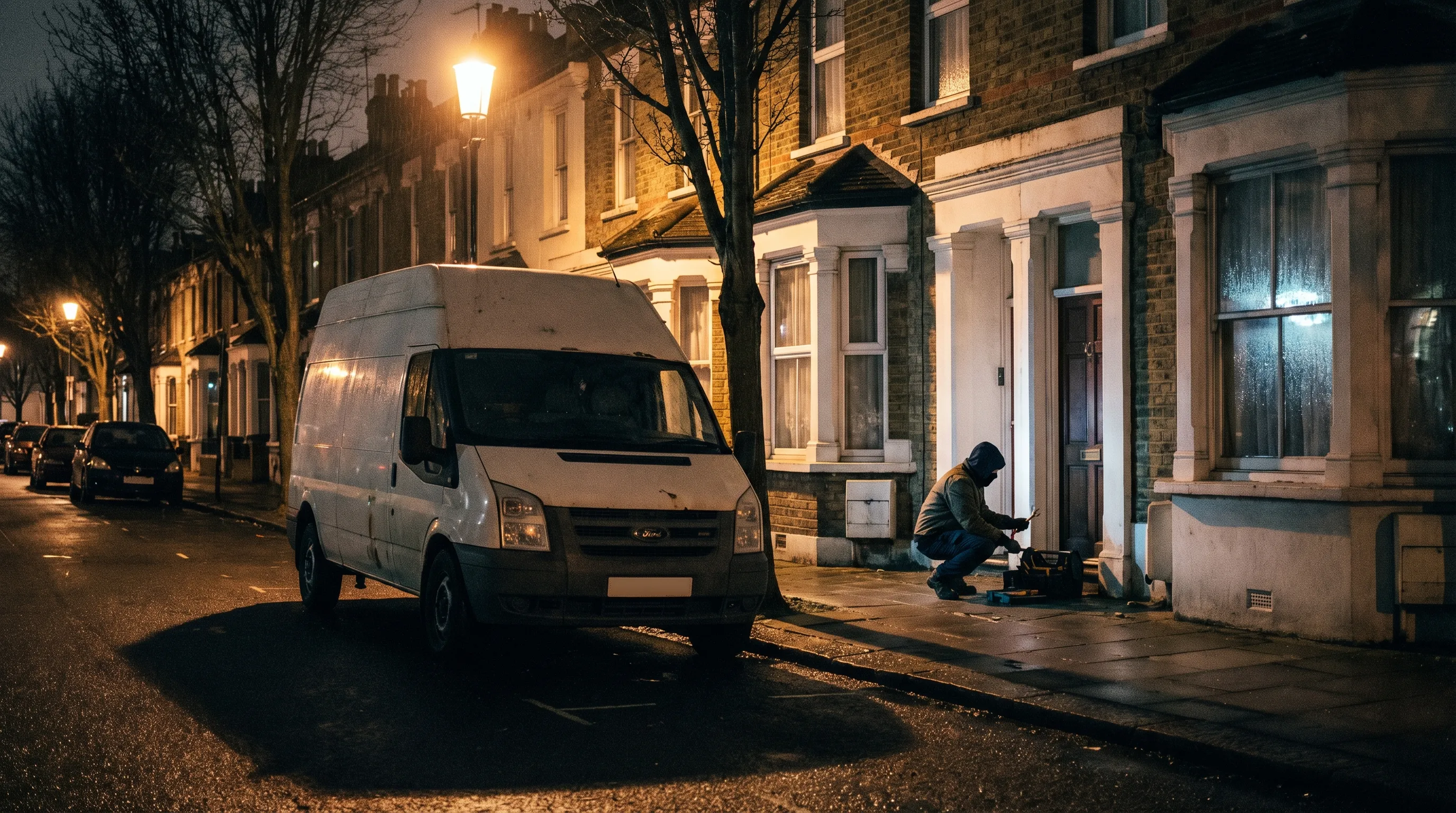
London’s emergency locksmith market has a serious problem with rogue operators. These are not locksmiths in any meaningful sense - they are individuals or call centres that use aggressive online advertising to intercept desperate customers, then overcharge dramatically for poor-quality work.
The issue exists because locksmithing is an unregulated trade in the UK. There is no licensing requirement, no mandatory training, and no legal barrier to someone advertising as a locksmith tomorrow morning regardless of their experience or qualifications. This creates an environment where bad actors thrive - particularly in high-pressure emergency situations where customers have limited time to research their options.
How the Scam Typically Works
Step 1: The Low Online Price
The rogue operator advertises prominently on Google - often through paid ads - with an eye-catching price: “Locksmith from £49” or “Emergency lockout from £39”. These prices are designed to get you to call. They bear no relation to the price you will actually pay.
Step 2: The Call Centre
When you call, you do not speak to a locksmith. You speak to a call centre operator who takes your location and dispatches the nearest available person. This person may be a genuine locksmith, a handyman, or someone with almost no relevant training. You have no way of knowing which.
The call centre confirms the low price on the phone, sometimes adding “subject to assessment on site” or similar wording that gives them cover for what comes next.
Step 3: The Price Escalation
The person arrives and assesses the lock. At this point, the price changes:
- “This is a high-security lock - that is a different price”
- “The lock needs replacing, not just opening - that is extra”
- “It is after hours - there is a surcharge”
- “VAT is not included in the quoted price”
The original £49 becomes £200, £300, or in extreme cases £500 or more. You are standing outside your own home at 11pm, possibly with children or in bad weather. Saying no and calling someone else means starting the process from scratch. Most people pay.
Step 4: The Unnecessary Replacement
A trained locksmith can open most residential locks without damaging them, using non-destructive entry techniques. Rogue operators frequently drill the lock out unnecessarily - because it is faster, requires less skill, and creates the opportunity to sell you a replacement lock at an inflated price.
The replacement is often a cheap, non-branded cylinder that does not meet British Standard BS3621 or the TS007 anti-snap rating your door originally had. Your security is worse than before the callout.
Step 5: No Receipt, No Guarantee
You pay cash (some refuse card payments to avoid a paper trail), receive no proper invoice, and are given no guarantee on the work. If the new lock fails a week later, you have no recourse.
Red Flags Specific to Rogue Operations
The scam model has specific characteristics that distinguish it from a merely inexperienced locksmith. Watch for these patterns:
- Multiple area-specific websites - the same operator may run dozens of websites (“Locksmith Camden”, “Locksmith Hackney”, “Locksmith Islington”) that all route to the same call centre. Check whether the “About” page is identical across different sites.
- “From £XX” pricing with no detail - legitimate locksmiths publish price lists or give fixed quotes. “From £49” with no further breakdown is a warning sign.
- Immediate recommendation to drill - a skilled locksmith tries non-destructive entry first. Someone who reaches for a drill immediately may lack the skills for anything else - or may want to sell you a replacement lock.
- Pressure to decide immediately - “I am here now, do you want me to do it or not?” is a pressure tactic, not customer service.
- Cash-only payment - most legitimate businesses accept card payments. A cash-only policy can indicate a desire to avoid traceability.
For a broader checklist of how to identify an unqualified locksmith, including what ID to check and what questions to ask about credentials, see our guide on how to spot an uncertified locksmith.
How to Protect Yourself
Before You Are Locked Out
The best defence is preparation. Find a reputable locksmith before you need one and save their number in your phone. If you are ever locked out, you want to be calling a saved number, not making a panicked Google search at midnight.
- Check the MLA directory at locksmiths.co.uk - members are vetted, DBS-checked, and subject to regular inspections
- Read reviews on Google and Trustpilot - look for volume and consistency, not just star ratings. Be wary of businesses with only a handful of perfect reviews.
- Ask friends and neighbours for recommendations - word of mouth remains the most reliable filter
- Save at least two numbers so you have an alternative if the first is unavailable
When You Make the Call
Ask these questions before agreeing to a callout:
- “Is the price you quoted the total I will pay, including VAT, parts, and callout fee?” - A straight yes is what you want. Anything else means the price will change.
- “Are you MLA-accredited?” - If they say yes, ask for the membership number so you can verify it.
- “Will you try non-destructive entry first?” - A skilled locksmith will say yes. If they immediately talk about drilling, they may be planning an unnecessary replacement.
- “Can I pay by card?” - A professional operation accepts card payments.
- “Do you provide a written receipt and guarantee?” - The answer should be an unequivocal yes.
On Arrival
- Ask to see ID - a professional will expect this and have it ready
- Get a written quote before work begins - do not allow any work to start until you have agreed the total price in writing (a text message confirmation is fine)
- Watch the work - a locksmith who insists you move away while they work on your lock is unusual. There is no trade secret about opening a residential door lock.
- Refuse unnecessary replacements - if the locksmith says the lock must be drilled and replaced, ask why non-destructive entry is not possible. If you are not satisfied with the explanation, you are within your rights to decline and call someone else.
What to Do If You Have Been Overcharged
If you believe you have been a victim of a rogue locksmith:
- Dispute the charge with your bank if you paid by card - you may be able to initiate a chargeback
- Report it to Trading Standards via the Citizens Advice consumer helpline (0808 223 1133)
- File a report with Action Fraud (0300 123 2040) if you believe a criminal offence was committed
- Report false MLA membership to the Master Locksmiths Association directly
- Leave a detailed review on Google and Trustpilot to warn others
The Price of a Fair Locksmith
For reference, these are typical prices for a reputable, insured locksmith in London:
| Service | Typical Price (inc VAT) |
|---|---|
| Emergency door opening | From £79 |
| Lock change (labour) | From £69 |
| Lock repair | From £99 |
These prices should include travel, labour, parts, and VAT. There should be no surprises. For our full pricing, see the City Locksmith price list.
City Locksmith London: What You Should Expect
We provide fixed, all-inclusive pricing with no hidden fees. The price we quote on the phone is the price you pay - whether we arrive at 2pm or 2am. We are fully insured, DBS-checked, and carry a full range of insurance-approved locks. We always attempt non-destructive entry first, and we guarantee our work. Contact us.